
 in Nigeria
Why Northern Nigeria Needs Media Literacy for Peace
By John Coster
A message arrives in a community WhatsApp group warning of an attack. A photograph is shared as proof, but nobody knows when or where it was taken. Within minutes, people may be frightened, angry or ready to pass the warning on.
The message might be an honest mistake. It might also have been created to mislead. Either way, the person receiving it faces the same immediate question: how can I check this before I share it?
That is why media literacy matters in Northern Nigeria. It is a practical skill that helps people assess information, recognise manipulation and communicate responsibly. In communities affected by insecurity or mistrust, these skills can support dialogue and help prevent an unverified claim from adding to tensions. UNESCO has identified media and information literacy as a way to build resilience against misinformation, disinformation and hate speech in Nigeria. (core.unesco.org, unesco.org)
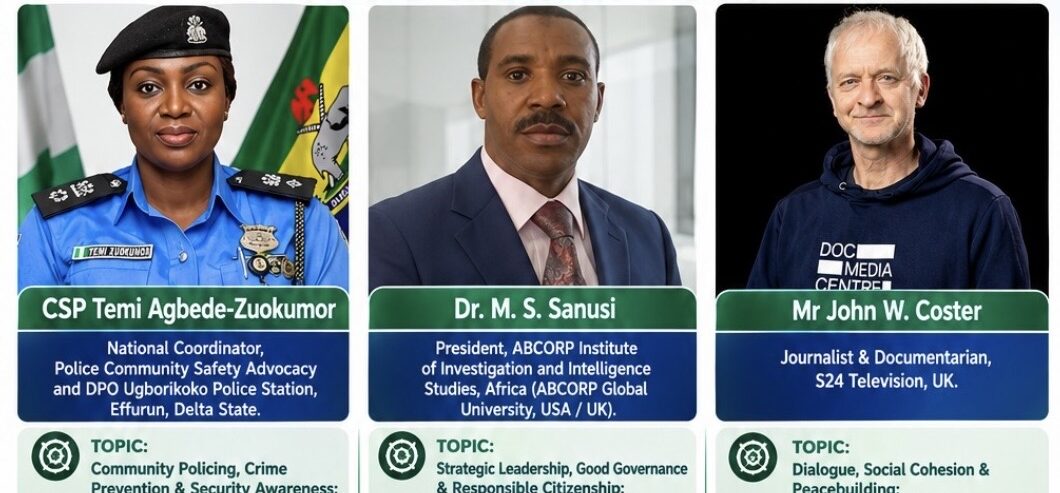
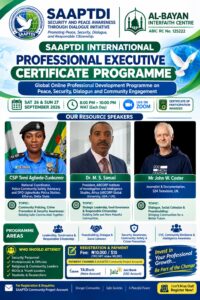
On 26 and 27 September 2026, I was a key resource speaker during the two session SAAPTDI International Professional Executive Certificate Programme, organised by the Security and Peace Awareness Through Dialogue Initiative and the Al-Bayan Interfaith Centre. My session focused on Dialogue, Social Cohesion and Peacebuilding: Bridging Communities for a Better Future.
For me, media literacy belongs in that conversation. Dialogue becomes harder when people are working from conflicting claims, misleading images or rumours about another community. We need ways to question information without dismissing people’s concerns.
A useful starting point is to distinguish between misinformation, which may be shared by someone who believes it is true, and disinformation, which is deliberately created or spread to deceive. Harmful information may also use selective facts, an old image or an inflammatory headline to provoke a reaction. We cannot always know a sender’s intention, but we can examine the claim before passing it on.
Here are five simple steps anyone can take:
- Pause before sharing. Urgency and strong emotion are reasons to check a message carefully.
- Find the original source. Who first made the claim, and can they be identified?
- Check the date and location. An authentic photograph or video may be from another place or an earlier event.
- Look for independent confirmation. Check reliable local reporting or an appropriate official source, especially for safety information.
- Consider the effect of sharing. Could an unverified claim put someone at risk or deepen suspicion between communities?
These steps should be useful beyond a training room. Community leaders, journalists, teachers, youth groups and civil society organisations can practise them together, adapt them for local languages and discuss examples that people actually encounter. Listening matters too: when someone shares a rumour out of fear, a patient question is often more helpful than an accusation.
Northern Nigeria needs more opportunities to build these skills across communities. Media literacy alone will not resolve insecurity or disagreement. It can, however, give people a better basis for deciding what to trust, what to question and what to share. That is a meaningful contribution to dialogue, social cohesion and peacebuilding.
John Coster
Founder, Parallel Lives Network
Comments
Leave a Comment